
About Copper
Copper Pure Foam
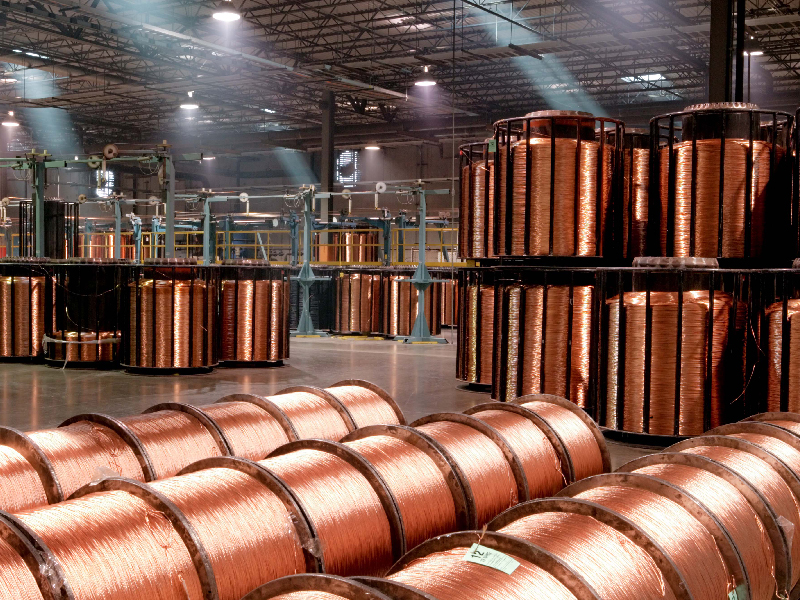
In its pure form, copper appears in applications as diverse as electrical generation and distribution, telecommunications, art and architecture. Copper’s performance can also be expanded to suit many industrial applications and high-tech products. This is achieved by the alloying process, which produces a solid material out of two or more different metals. By combining copper with other metals, a range of alloys can be made to fit almost any application. Read more about the applications of copper and its alloys by clicking the links below.
Looking back in time, we see copper has been key to inventions that have shaped cultures and enabled our modern way of life. Looking forward, we can see copper continues to lie at the heart of innovation and could help us solve some the greatest challenges the world currently faces. To find out more—including case studies of some future applications already under development.
Copper Applications
Air Conditioning
The air conditioning and refrigeration market is a growing and increasingly significant user of copper tube.
Aquaculture
Copper alloys in marine aquaculture are increasing productivity of operations. The copper alloys typically used are copper-zinc, copper-nickel and copper silicon.
Architecture
Copper architecture provides a beautiful, practical and sustainable contribution to the modern building construction market.
Art
Versatile, malleable and beautiful: copper has inspired artists and designers for centuries.
Coinage
Copper has played a key role in the history of coinage. The first coins of Ancient Greece were made of copper and gold, since they were relatively easy to find and offered good corrosion resistance.
Design and Manufacture
Very easy to work with and shape into almost any form, copper in design and manufacture applications offers cost-effective products for industry.
Electrical Systems
Copper’s electrical conductivity is the highest of the commercial metals, meaning it plays a key role in the generation, delivery and use of electricity.
Energy and Renewables
Copper is among the best conductors of electricity and heat, so it is hardly surprising that around 60% of total copper use is for these applications.
Farming and Agriculture
Copper is vital for the normal growth and well-being of plants and animals.
Interior Design
Copper offers designers a wealth of mechanical and aesthetic qualities that have made it a mainstay of interior design and creative innovation for centuries.
Marine
Copper-nickel alloys are used for seawater systems, desalination units and to protect offshore structures.
Pipework Services
Copper is the ideal material for plumbing, heating, gas and fire sprinkler pipework systems.
The Future of Copper
Here, we explore the role of copper products in meeting present and future societal needs such as renewable energy, healthcare, more energy efficient transportation and modern communications.
Such copper innovations are critical to support the European Commission’s goal of reestablishing industry as the provider of 20% of Europe’s GDP by 2020. The future-facing campaign reveals the multitude of ways in which copper alloys provide added value to our industries and our lives. By delivering safe electricity and water, and enabling the continued development of electrical applications and electronic devices, copper has never been more important to our society.
The copper industry’s ongoing research and testing of new concepts deliver a steady stream of innovations that can dramatically transform how things are made and how they work. These innovations may make processes more cost-efficient, minimise their environmental impact, lower their energy consumption, or reduce their use of precious natural resources in future.
Innovations require versatile, high performance materials
The incorporation of a wide variety of other metals (to create copper alloy) dramatically expands the range of metal properties and material performance available to the downstream value chain. The European copper production industry works closely with its customers to develop the applications that drive the new products and services that improve our daily lives. Copper can also be recycled again and again, without any loss of performance, ensuring that it continues to be one of the most important and versatile materials at the heart of both economic development and human endeavours.
Benefits of Copper
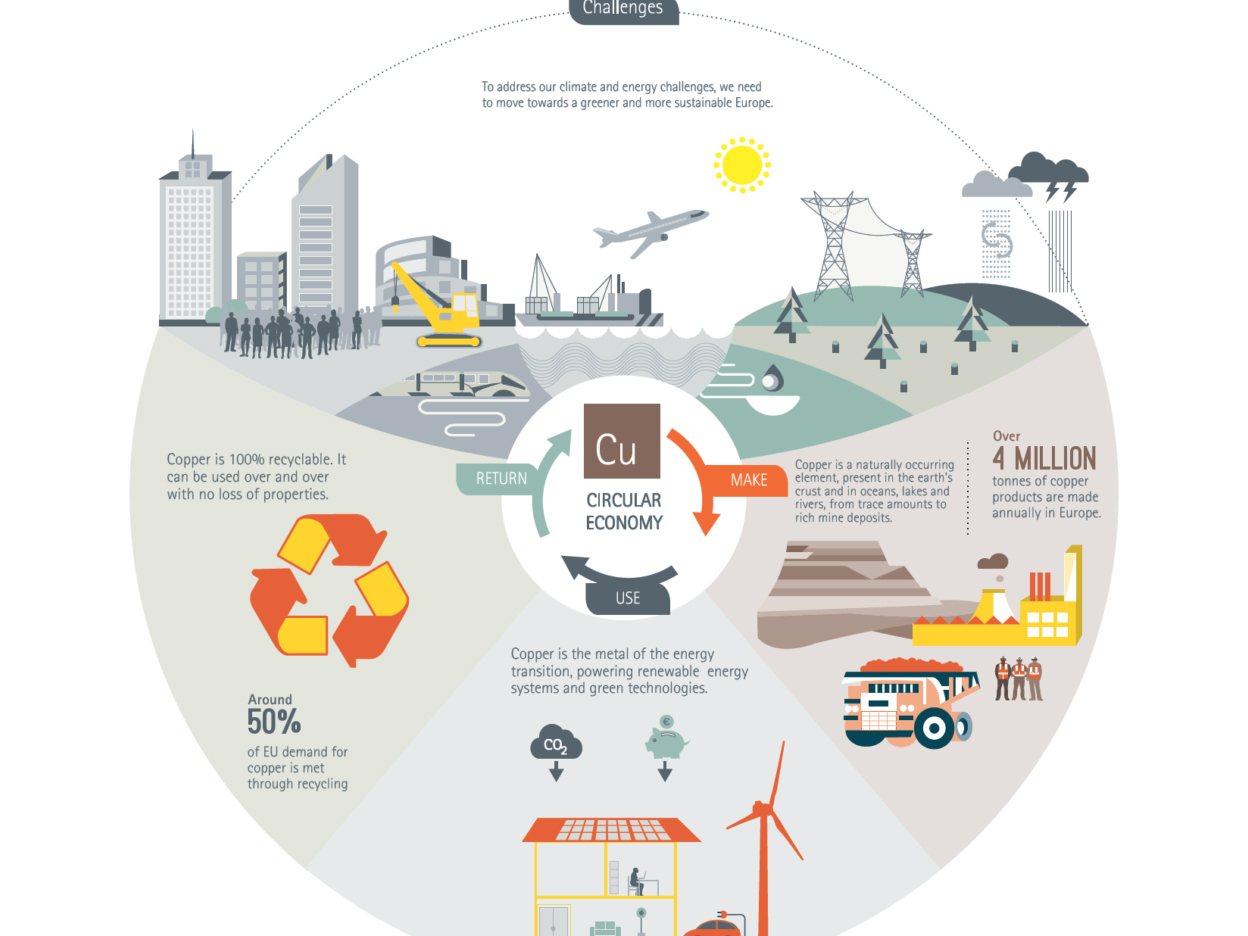
Copper and the Circular Economy
The life of copper is infinite and has no end phase. Once mined, it can be recycled over and over with no loss of properties. As such, copper is a sustainable material that is pivotal to building the circular economy.
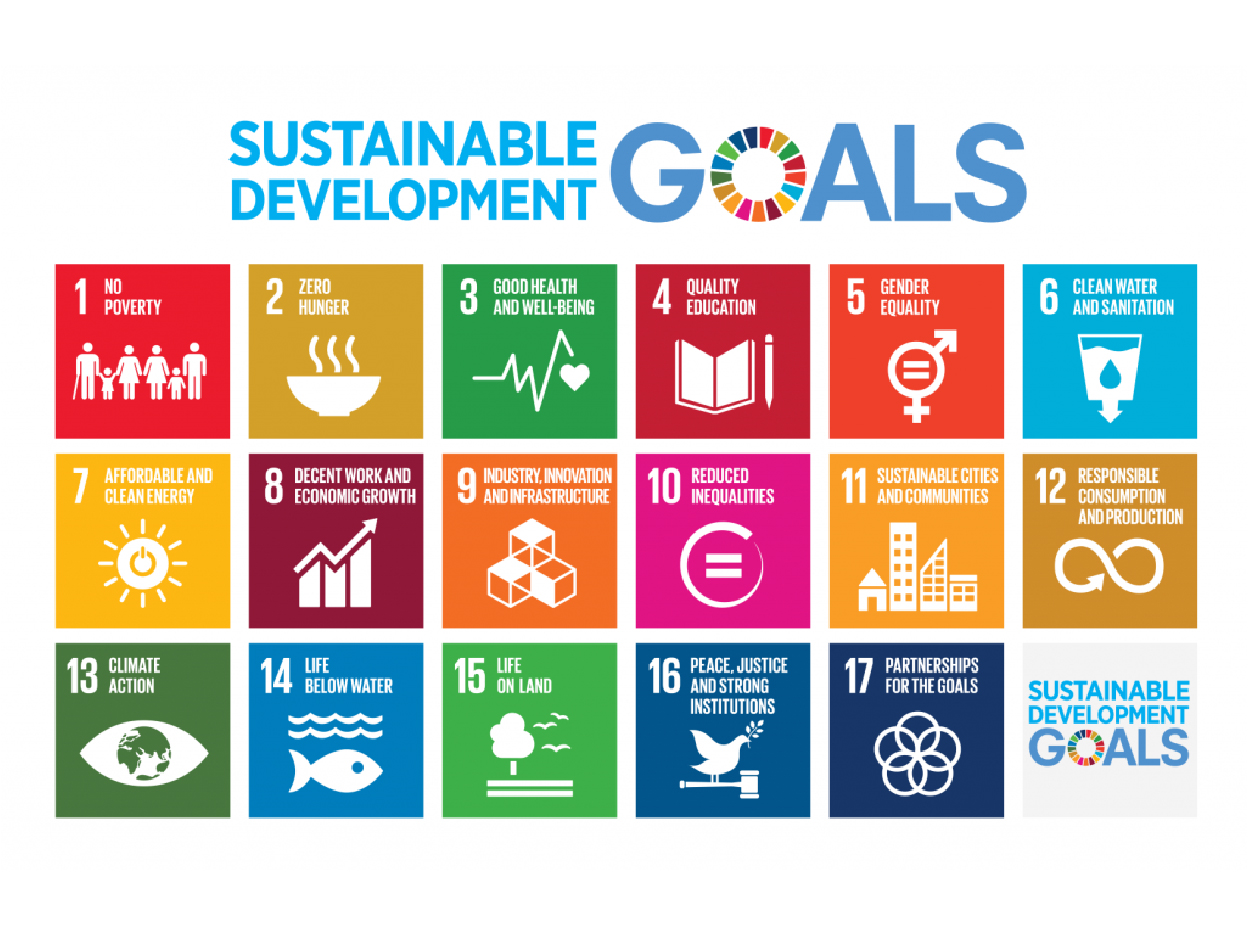
Sustainable Development
A greener, healthier and more sustainable future relies on the use of copper. When it comes to sustainable development, the production of copper is an important part of the story, but it represents only one chapter in a much larger book.
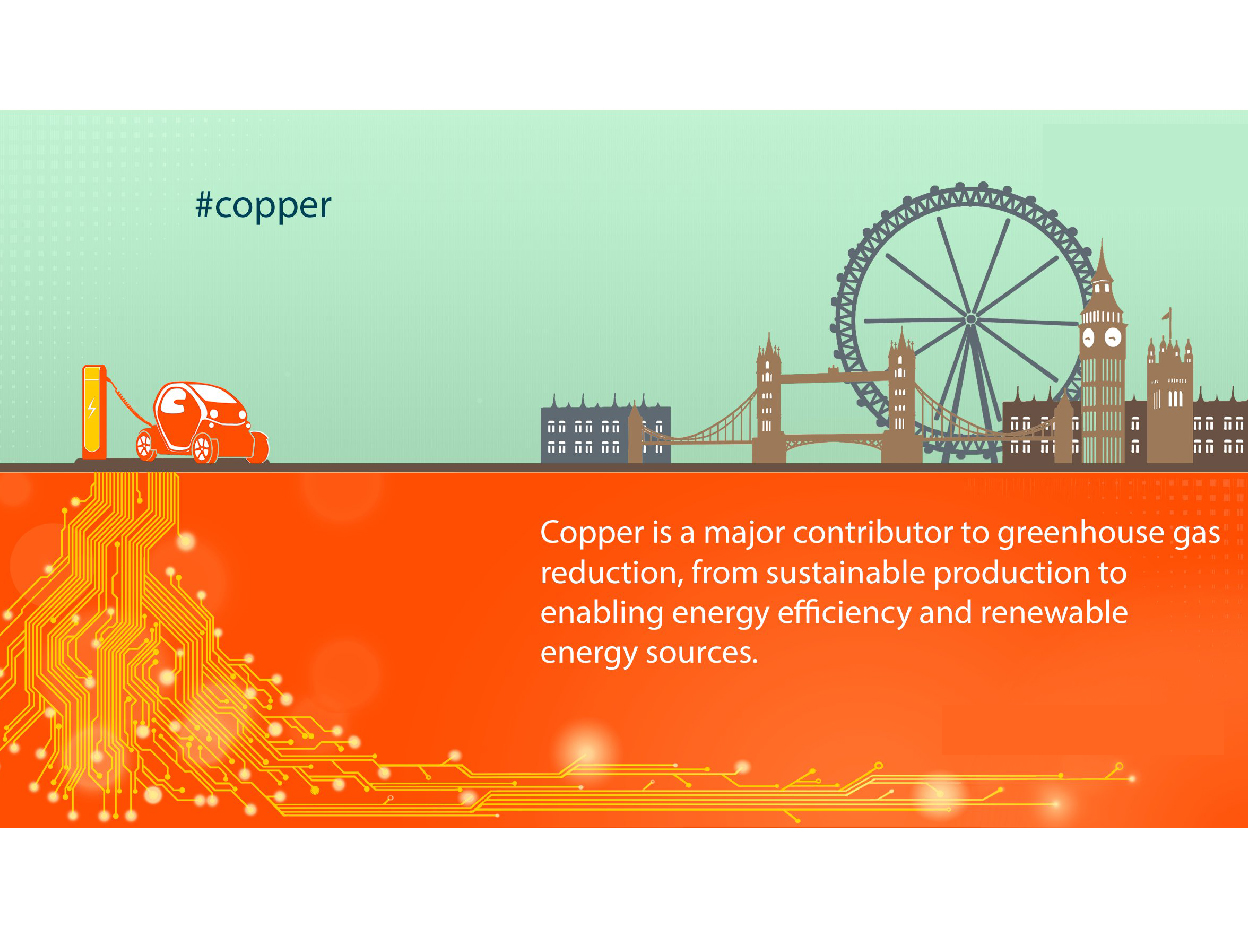
Energy Efficiency
Copper has the highest electrical conductivity of all non-precious metals. Its properties make it the conductor of choice for wires, cables and electrical equipment, which represent about two thirds of copper use.
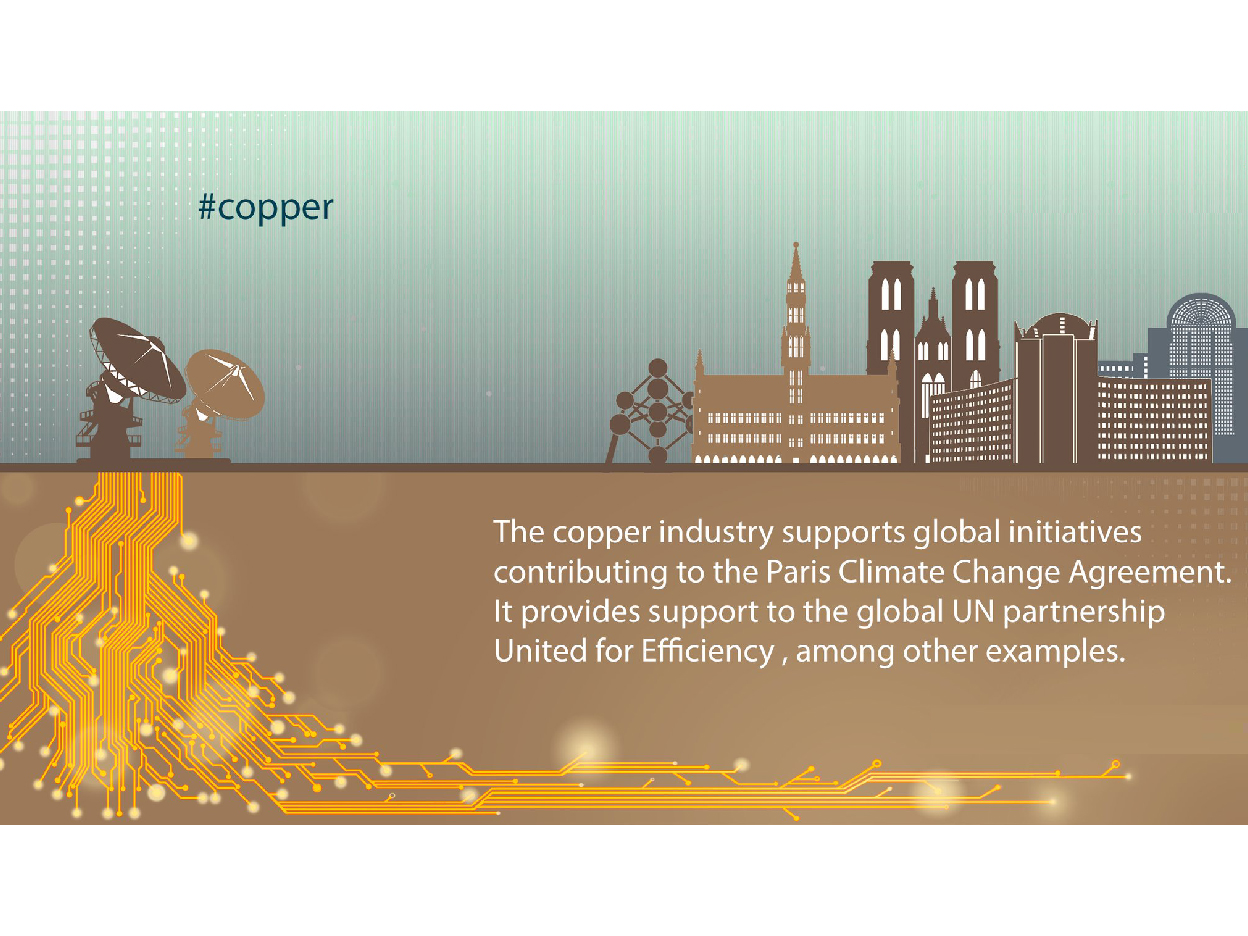
Environment
Copper is a naturally-occurring element present in the earth’s crust, oceans, lakes and rivers, from minute trace element levels through to rich mine deposits. It is an essential nutrient—plants, fish, animals and humans all need copper to function properly.
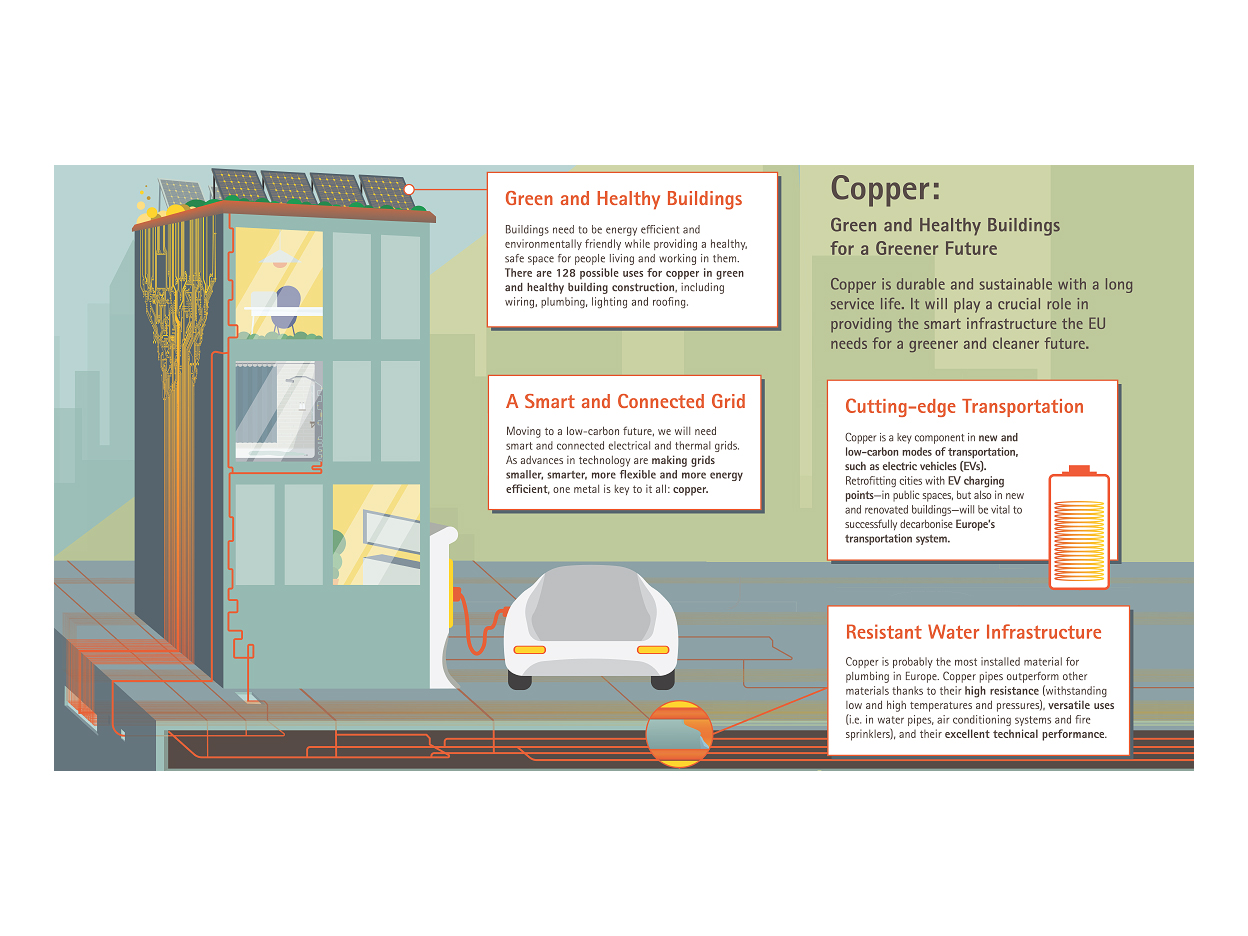
Green Building
The road to greener and smarter cities is paved with copper. Cities are expanding at an unprecedented rate, with almost 80% of EU citizens now living in one. This rapid development brings with it challenges, and many of the solutions are copper-based technologies for green building.
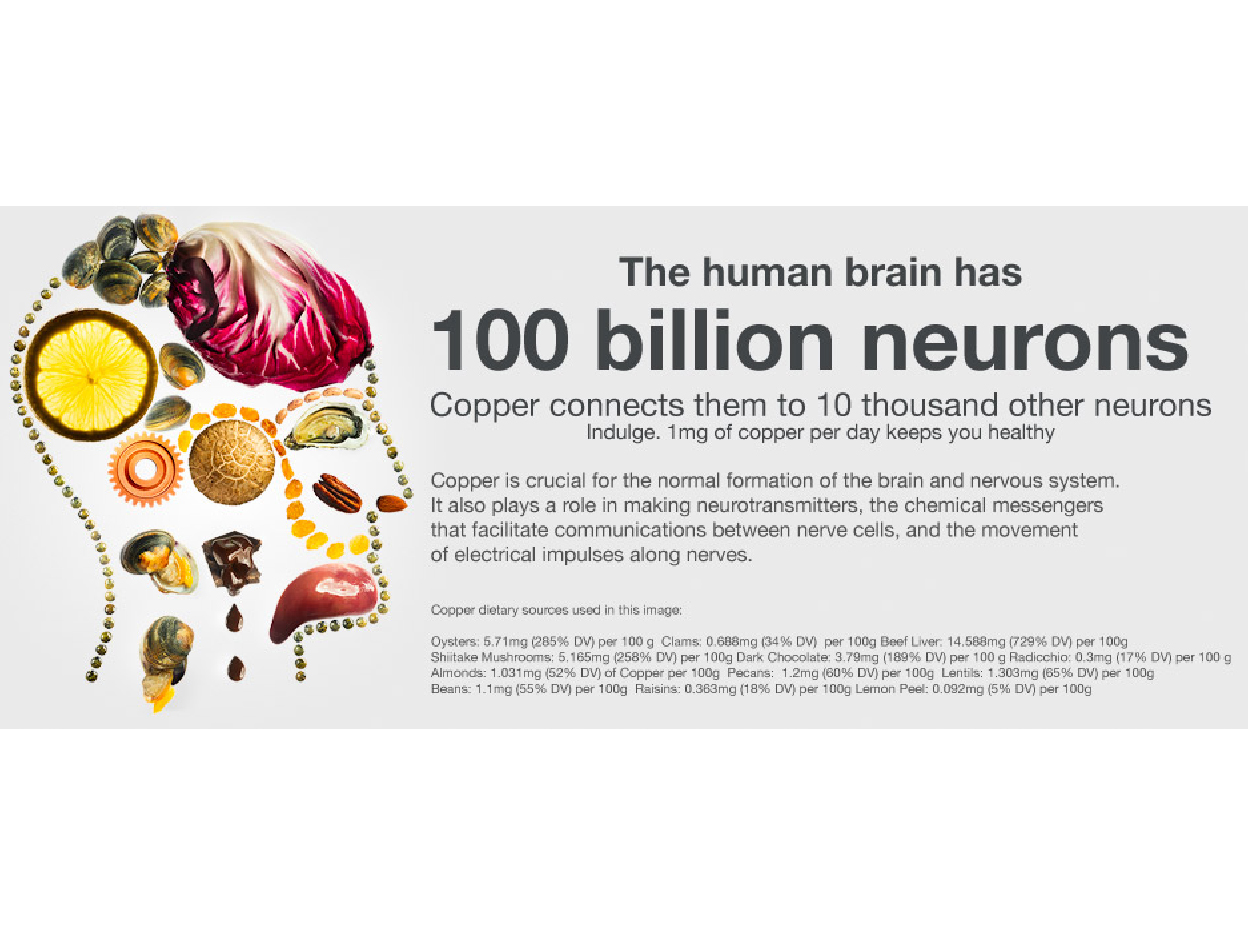
Health
Copper for health and nutrition. As a naturally-occurring element, copper is present everywhere in the world around us. Life has evolved in this natural presence, and humans have developed built-in mechanisms to manage intake levels. Copper is required as part of a balanced diet and is important to doctors and nutritionists.
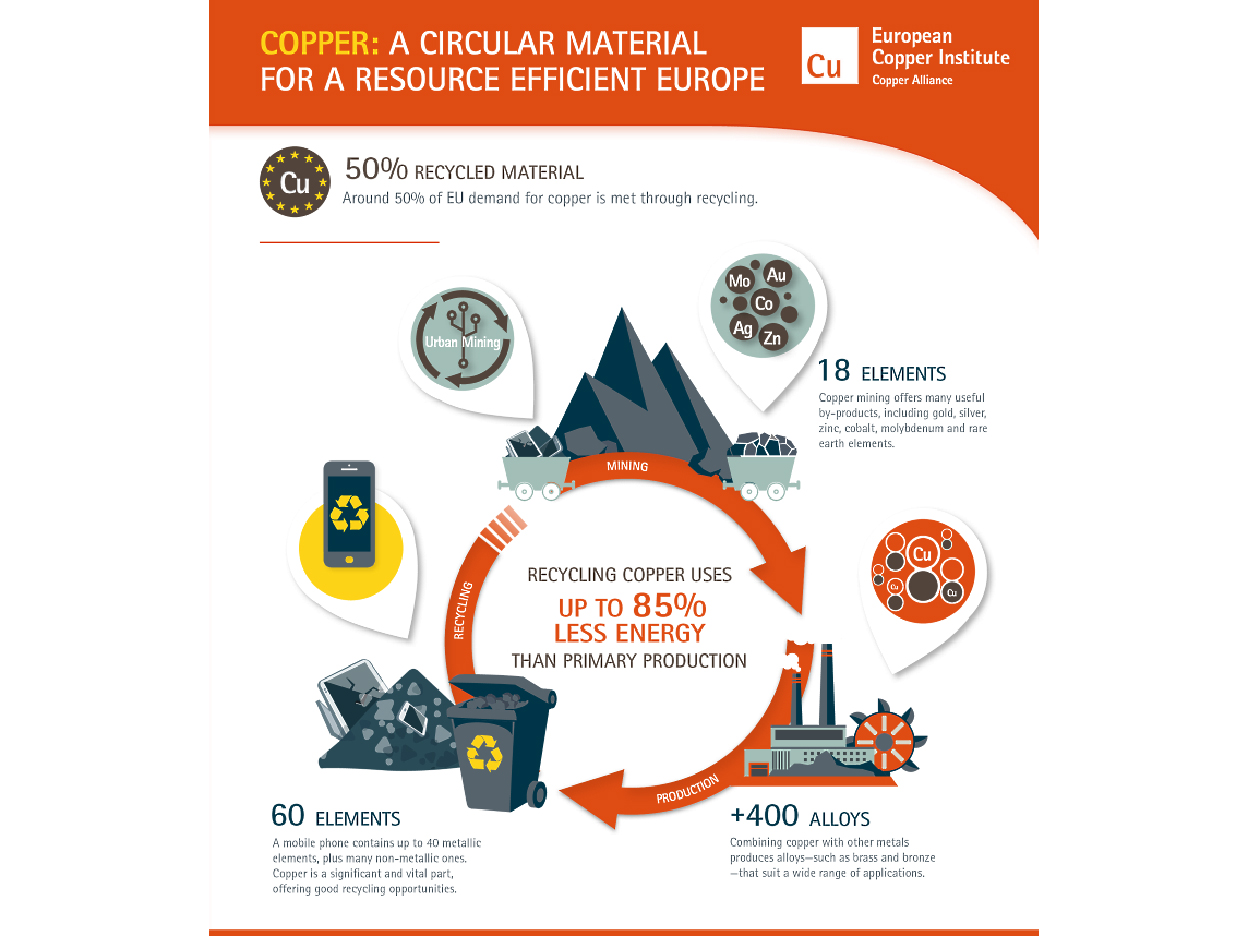
Recycling
Europe’s demand for copper is increasingly met by recycling.
The History of Copper
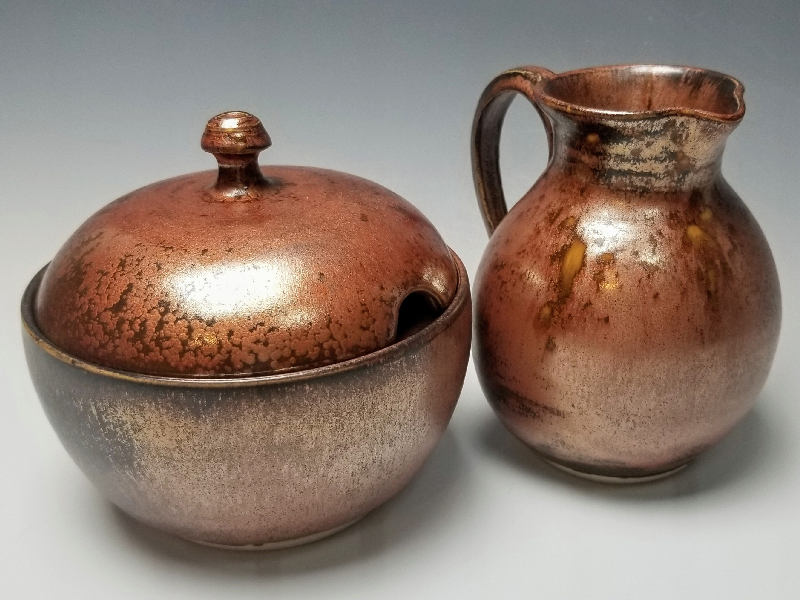
A brief history of copper
The element copper has been an essential material to humankind since prehistoric times. In fact, one of the major ‘ages’ or stages of human history is named after a copper alloy: bronze. In the history of copper, one can follow human progress.